Ice Dam Prevention in Eau Claire, WI: Protecting Your Roof During Peak Winter
February is typically the harshest winter month in Eau Claire, Wisconsin. With sustained freezing temperatures, heavy snow accumulation, and repeated thaw-freeze cycles, ice dams become a serious threat to residential roofing systems. Ice dam prevention in Eau Claire, WI is critical for protecting shingles, insulation, and interior ceilings from costly water damage. Understanding how ice dams form and how to prevent them can save homeowners thousands in repairs.
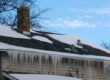
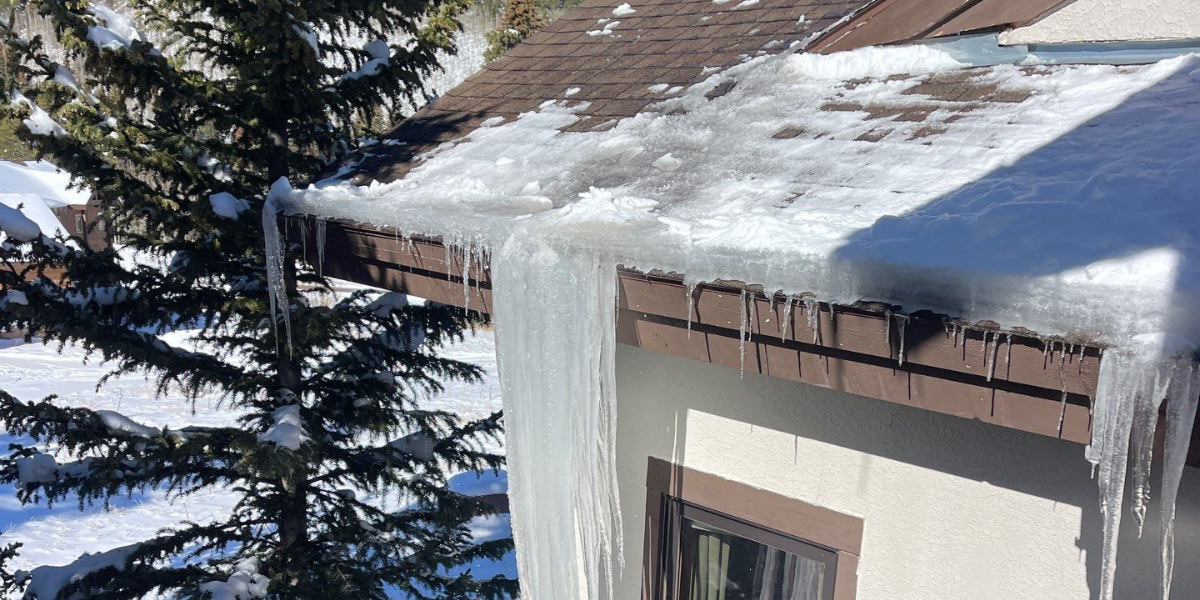
Ice dams develop when heat escapes from the attic, warming the roof deck and causing snow to melt. As the melted snow flows downward and reaches the colder eaves, it refreezes. Over time, this ice buildup creates a barrier that traps additional melting snow behind it. Water then backs up beneath shingles, infiltrating underlayment and eventually entering the home. In Eau Claire’s prolonged winter conditions, this cycle can repeat multiple times, compounding damage.
Proper attic insulation and ventilation are the primary defenses against ice dams. Adequate insulation prevents interior heat from escaping into the attic, while balanced ventilation keeps roof deck temperatures consistent. Without proper airflow, temperature imbalances accelerate melting and refreezing. Professional roofing contractors evaluate ridge vents, soffit vents, and attic insulation levels to ensure systems are functioning correctly. Preventative upgrades often eliminate recurring ice dam issues.
Snow removal can also reduce ice dam risk. Carefully removing excess snow from roof edges with specialized tools limits the volume of melting snow contributing to ice buildup. However, improper removal techniques can damage shingles and compromise waterproofing layers. Homeowners should avoid aggressive scraping or using sharp tools that may void roofing warranties. When heavy accumulation occurs, professional assistance is recommended.
Ice dam prevention in Eau Claire, WI requires proactive winter maintenance and proper roofing design. If left unaddressed, ice dams can lead to interior staining, mold growth, wood rot, and structural deterioration. Scheduling a winter roof inspection ensures ventilation, insulation, and drainage systems are prepared for Wisconsin’s most severe weather conditions. Preventative action in February protects both your home and your long-term roofing investment.